






-19%
 Heavy Equipments
 Tools & Machinery
 Safety & Security
 Fasteners
 Industrial Parts & Supplies
 Tyres & Wheels
 Agricultural & Gardening
 Industrial Metals & Wood
 Electricals & Plumbings
 Paint and Chemicals
 Hvac
Hvac Insulation
 Others
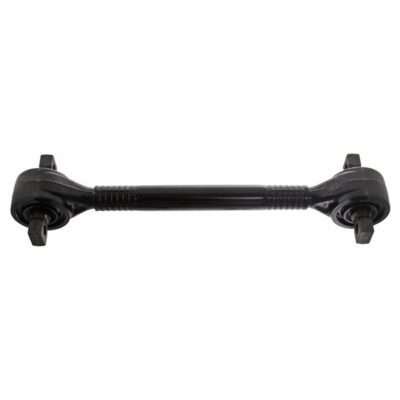

Arizon Parts: Shop Now and Enjoy Free Delivery
SAR 134.07 Original price was: SAR 134.07.SAR 109.00Current price is: SAR 109.00.
Payment Methods:

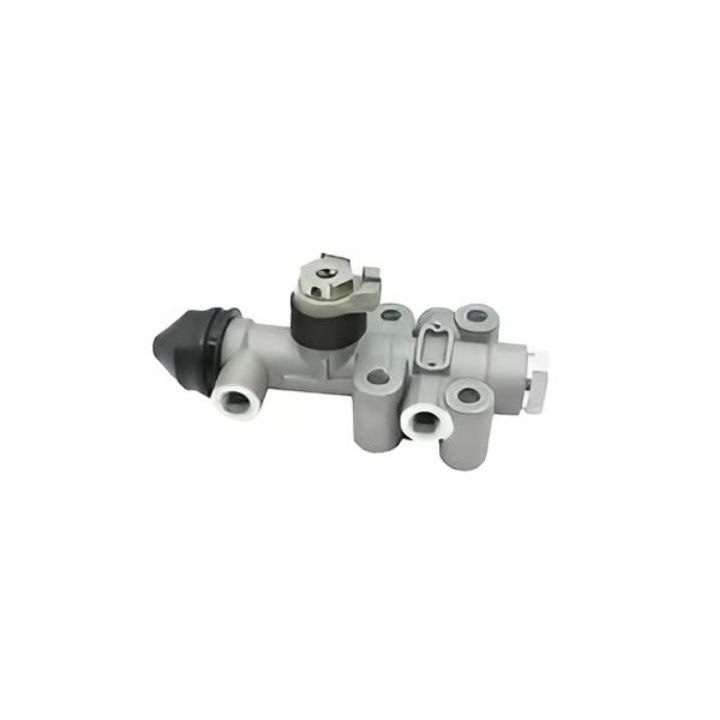
A leveling valve is a key component in hydraulic systems, particularly in vehicles and industrial machinery, where it helps maintain a consistent level or height of the load or platform. It adjusts the hydraulic fluid flow to ensure that the vehicle or equipment remains level regardless of load changes. This is essential for maintaining stability and proper functioning, especially in applications like air suspension systems in trucks or leveling mechanisms in construction equipment. The valve operates based on sensor inputs or manual adjustments, controlling the hydraulic pressure to balance the load and compensate for any deviations from the desired level.
| Feature | Description |
|---|---|
| Type | Hydraulic or Pneumatic |
| Operation | Automatic or manual adjustment |
| Material | Typically aluminum, stainless steel, or brass |
| Pressure Rating | Varies based on application (e.g., up to 3000 psi) |
| Port Size | Commonly 1/4″ to 1/2″ NPT |
| Mounting Type | Bolt-on or flange |
| Weight | Varies (e.g., 1-4 kg) |
| Application | Automotive air suspension, construction equipment, trailers |
| Features | Adjustable level, automatic height control, built-in sensors |
 Overview
 Processor
 Display
 RAM
RAM
 Storage
 Video Card
 Connectivity
 Features
 Battery
 General
A leveling valve is a key component in hydraulic systems, particularly in vehicles and industrial machinery, where it helps maintain a consistent level or height of the load or platform. It adjusts the hydraulic fluid flow to ensure that the vehicle or equipment remains level regardless of load changes. This is essential for maintaining stability and proper functioning, especially in applications like air suspension systems in trucks or leveling mechanisms in construction equipment. The valve operates based on sensor inputs or manual adjustments, controlling the hydraulic pressure to balance the load and compensate for any deviations from the desired level.
| Feature | Description |
|---|---|
| Type | Hydraulic or Pneumatic |
| Operation | Automatic or manual adjustment |
| Material | Typically aluminum, stainless steel, or brass |
| Pressure Rating | Varies based on application (e.g., up to 3000 psi) |
| Port Size | Commonly 1/4″ to 1/2″ NPT |
| Mounting Type | Bolt-on or flange |
| Weight | Varies (e.g., 1-4 kg) |
| Application | Automotive air suspension, construction equipment, trailers |
| Features | Adjustable level, automatic height control, built-in sensors |
A leveling valve is a key component in hydraulic systems, particularly in vehicles and industrial machinery, where it helps maintain a consistent level or height of the load or platform. It adjusts the hydraulic fluid flow to ensure that the vehicle or equipment remains level regardless of load changes. This is essential for maintaining stability and proper functioning, especially in applications like air suspension systems in trucks or leveling mechanisms in construction equipment. The valve operates based on sensor inputs or manual adjustments, controlling the hydraulic pressure to balance the load and compensate for any deviations from the desired level.
| Feature | Description |
|---|---|
| Type | Hydraulic or Pneumatic |
| Operation | Automatic or manual adjustment |
| Material | Typically aluminum, stainless steel, or brass |
| Pressure Rating | Varies based on application (e.g., up to 3000 psi) |
| Port Size | Commonly 1/4″ to 1/2″ NPT |
| Mounting Type | Bolt-on or flange |
| Weight | Varies (e.g., 1-4 kg) |
| Application | Automotive air suspension, construction equipment, trailers |
| Features | Adjustable level, automatic height control, built-in sensors |
In stock
In stock
In stock
In stock
In stock
In stock
No account yet?
Create an Account
Reviews
Clear filtersThere are no reviews yet.