


















-19%
 Heavy Equipments
 Tools & Machinery
 Safety & Security
 Fasteners
 Industrial Parts & Supplies
 Tyres & Wheels
 Agricultural & Gardening
 Industrial Metals & Wood
 Electricals & Plumbings
 Paint and Chemicals
 Hvac
Hvac Insulation
 Others


Arizon Parts: Shop Now and Enjoy Free Delivery
SAR 201.72 Original price was: SAR 201.72.SAR 164.00Current price is: SAR 164.00.
Payment Methods:

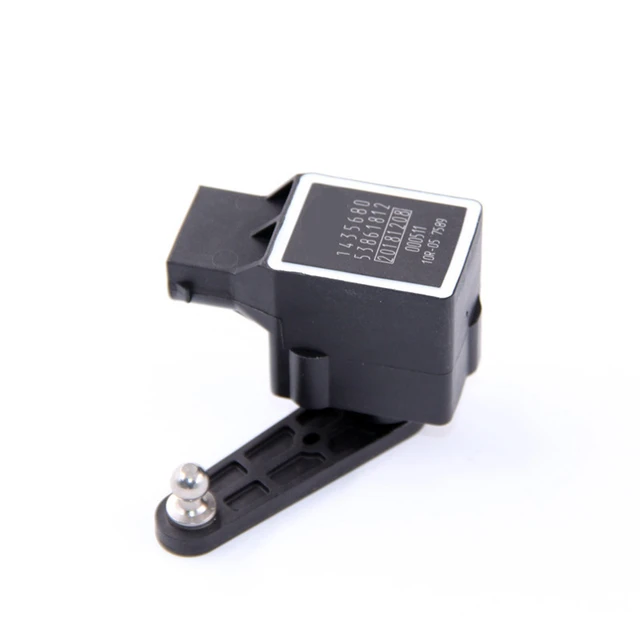
A brake pedal sensor is a critical device in a vehicle’s braking system, designed to monitor the position and force applied to the brake pedal. This sensor provides real-time feedback to the vehicle’s electronic control unit (ECU), which uses this information to adjust the braking force and optimize vehicle stability. The sensor can be either a potentiometer or a Hall effect sensor, depending on the vehicle’s design. By accurately measuring the brake pedal’s position, the sensor ensures that the vehicle’s braking system responds appropriately to the driver’s inputs, enhancing safety and performance. It plays a key role in advanced braking systems, including anti-lock braking systems (ABS) and electronic stability control (ESC), by contributing to precise brake application and improved vehicle handling.
| Feature | Description |
|---|---|
| Function | Monitors brake pedal position and force |
| Type | Potentiometer or Hall effect sensor |
| Material | Typically plastic housing with metal or conductive elements |
| Output Signal | Analog voltage (potentiometer) or digital signal (Hall effect) |
| Voltage Range | 0-5V (common for analog sensors) |
| Mounting Type | Bolt-on or clip-on, depending on vehicle design |
| Connection | Electrical connector, often with multiple pins |
| Application | Cars, trucks, and other vehicles with advanced braking systems |
| Features | Real-time feedback, integration with ABS and ESC systems |
 Overview
 Processor
 Display
 RAM
RAM
 Storage
 Video Card
 Connectivity
 Features
 Battery
 General
A brake pedal sensor is a critical device in a vehicle’s braking system, designed to monitor the position and force applied to the brake pedal. This sensor provides real-time feedback to the vehicle’s electronic control unit (ECU), which uses this information to adjust the braking force and optimize vehicle stability. The sensor can be either a potentiometer or a Hall effect sensor, depending on the vehicle’s design. By accurately measuring the brake pedal’s position, the sensor ensures that the vehicle’s braking system responds appropriately to the driver’s inputs, enhancing safety and performance. It plays a key role in advanced braking systems, including anti-lock braking systems (ABS) and electronic stability control (ESC), by contributing to precise brake application and improved vehicle handling.
| Feature | Description |
|---|---|
| Function | Monitors brake pedal position and force |
| Type | Potentiometer or Hall effect sensor |
| Material | Typically plastic housing with metal or conductive elements |
| Output Signal | Analog voltage (potentiometer) or digital signal (Hall effect) |
| Voltage Range | 0-5V (common for analog sensors) |
| Mounting Type | Bolt-on or clip-on, depending on vehicle design |
| Connection | Electrical connector, often with multiple pins |
| Application | Cars, trucks, and other vehicles with advanced braking systems |
| Features | Real-time feedback, integration with ABS and ESC systems |
A brake pedal sensor is a critical device in a vehicle’s braking system, designed to monitor the position and force applied to the brake pedal. This sensor provides real-time feedback to the vehicle’s electronic control unit (ECU), which uses this information to adjust the braking force and optimize vehicle stability. The sensor can be either a potentiometer or a Hall effect sensor, depending on the vehicle’s design. By accurately measuring the brake pedal’s position, the sensor ensures that the vehicle’s braking system responds appropriately to the driver’s inputs, enhancing safety and performance. It plays a key role in advanced braking systems, including anti-lock braking systems (ABS) and electronic stability control (ESC), by contributing to precise brake application and improved vehicle handling.
| Feature | Description |
|---|---|
| Function | Monitors brake pedal position and force |
| Type | Potentiometer or Hall effect sensor |
| Material | Typically plastic housing with metal or conductive elements |
| Output Signal | Analog voltage (potentiometer) or digital signal (Hall effect) |
| Voltage Range | 0-5V (common for analog sensors) |
| Mounting Type | Bolt-on or clip-on, depending on vehicle design |
| Connection | Electrical connector, often with multiple pins |
| Application | Cars, trucks, and other vehicles with advanced braking systems |
| Features | Real-time feedback, integration with ABS and ESC systems |
In stock
In stock
In stock
In stock
In stock

No account yet?
Create an Account







Reviews
Clear filtersThere are no reviews yet.